Manufacturing

Home / Manufacturing

Lost Wax Casting Process

Lost wax casting (also known as investment casting or precision casting) is a casting process in which liquid wax is injected into a metal mold to make a wax pattern consistent with the casting; its exterior is then coated with several layers of refractory ceramic materials such as clay, and the wax is heated so that it melts out, leaving a hardened shell made of refractory materials. The hardened ceramic shell is fired, and molten metal is poured into the mold shell. After the metal cools, the mold shell is vibrated to obtain the metal casting.

The term investment casting comes from the process of melting the wax inside a mold shell by heating it. Investment casting is often more popular than other casting processes because investment castings have high dimensional accuracy and low surface roughness, can be used for thin-walled parts or parts with complex internal and external structures, and, unlike sand casting, require no draft angle.

Investment casting covers a wide range of materials, including carbon steel, alloy steel and stainless steel, as well as non-ferrous materials such as aluminum and copper alloys. In the field of hot processing, it can be applied to investment casting for difficult parts or parts that are not easy to form, and for some forging parts with high processing costs. In the field of casting, some products can be used to replace other forms of casting, reducing machining and cutting allowances, lowering costs, and improving dimensional accuracy, surface roughness and the mechanical properties of materials, thereby upgrading product grades.

Contact Us

Investment Casting Process

The investment casting process includes several steps: metal moldmaking, wax mold production and pattern tree, Shell Moulding,pouring, sand cleaning and cutting, grinding gate and finishing.

  • 01
    01. Metal Mold Making

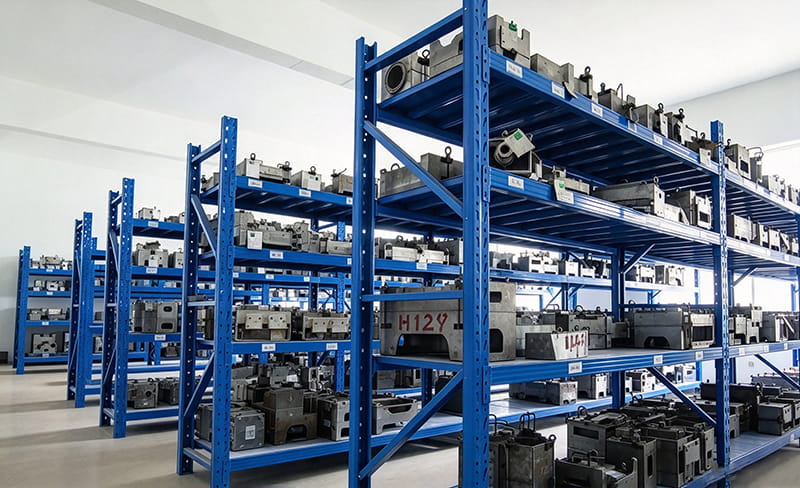
    According to customer drawings and product requirements, the casting process, gate location and product mold are designed using the casting simulation system, and the metal mold is then made. The shrinkage rate of the product during production must be calculated according to the process requirements.

  • 02
    02. Wax Mold Production

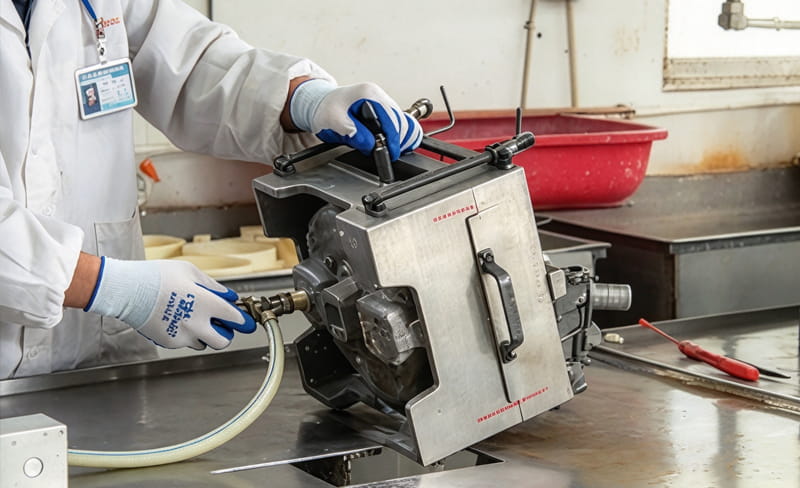
    The production of product wax molds is carried out in a constant-temperature wax mold workshop. The liquid wax is transported to the paste-making machine through the liquid wax conveying pipe, where it is cooled and stirred to make wax paste. The wax paste is then sent to each production station through the wax paste conveying pipe. It is injected into the metal mold under a certain pressure to form the wax mold.

  • 03
    03. Wax Pattern Tree

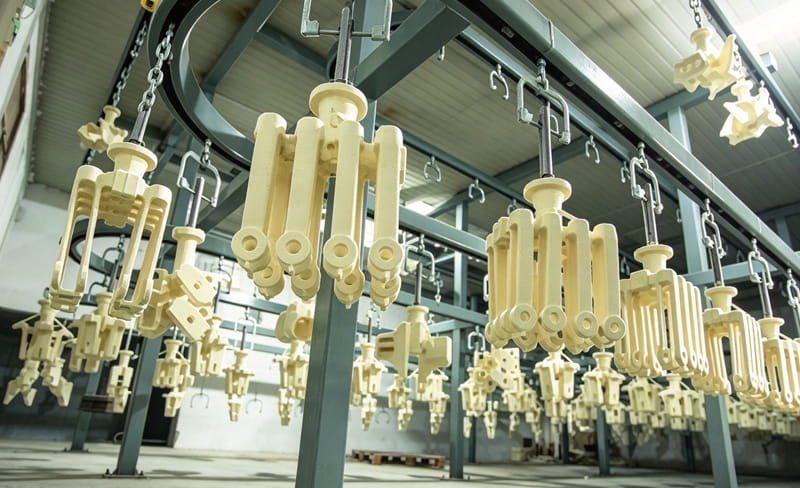
    After the wax mold is cooled, it is polished and inspected. According to the product's process card, the wax molds are welded to the wax rods one by one as required, forming a product casting system — the wax tree (group tree).

  • 04
    O4. Shell Moulding

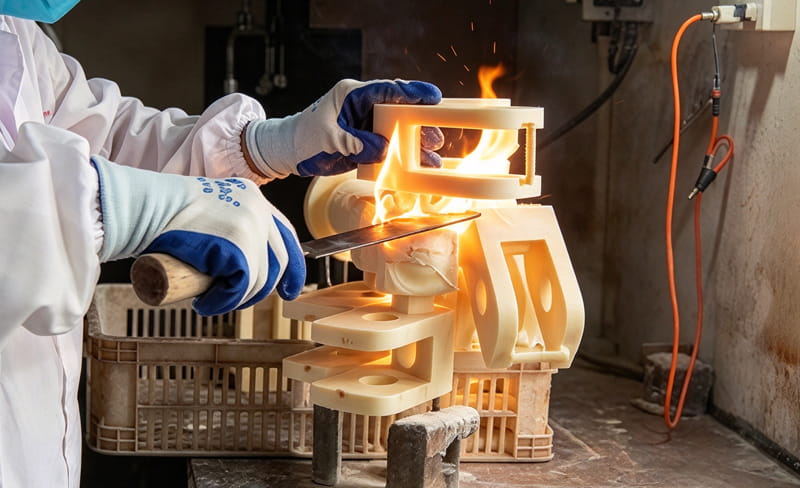
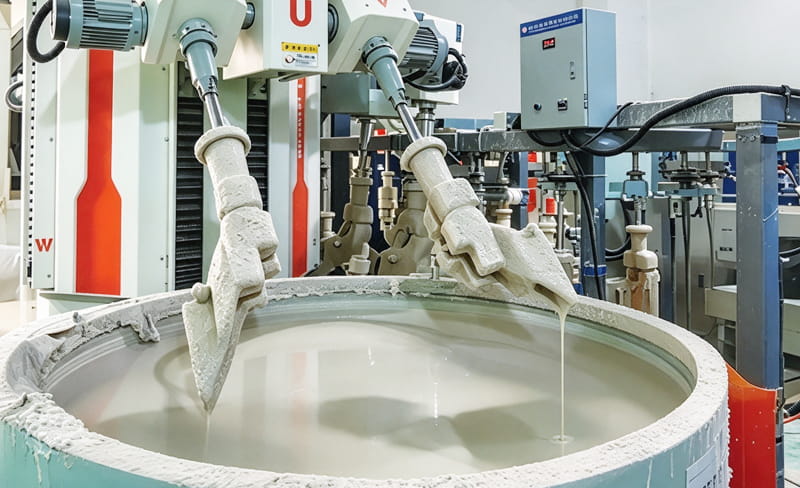
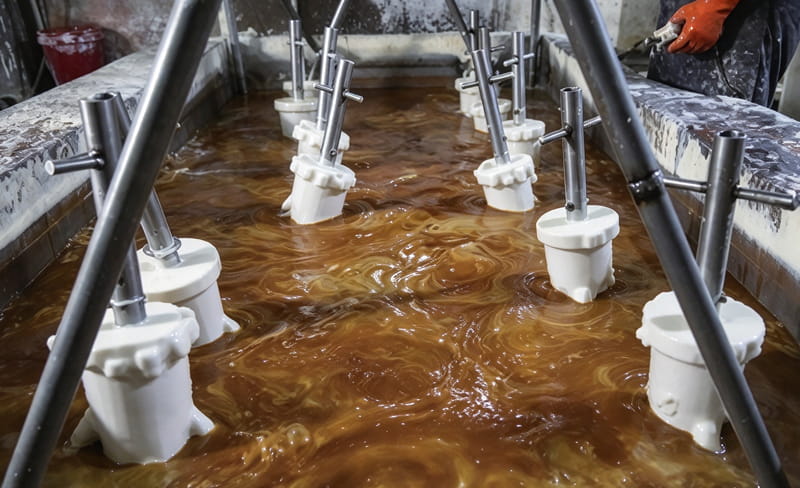
    After the wax tree is formed, the wax molds are sent to the shell-making robot via the automatic production line. Using a robot with four to eight arms, the wax molds are sequentially immersed in a slurry made of silica sol and mullite powder. Molay sand of various specifications is then sprayed onto the surface of the wax mold with a sanding machine, after which the molds are placed into a constant-temperature, constant-humidity drying chamber for drying. After seven cycles, a hard shell forms on the surface of the wax mold. After being left to stand naturally for 24 hours, the shell is placed in a dewaxing tank, where the wax inside is melted by high-temperature steam, producing a hollow shell mold.

  • 05
    05.Pouring

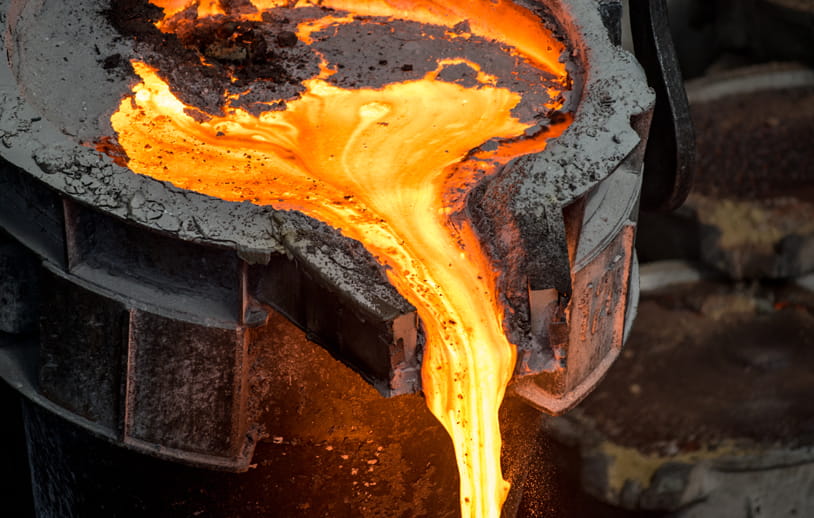
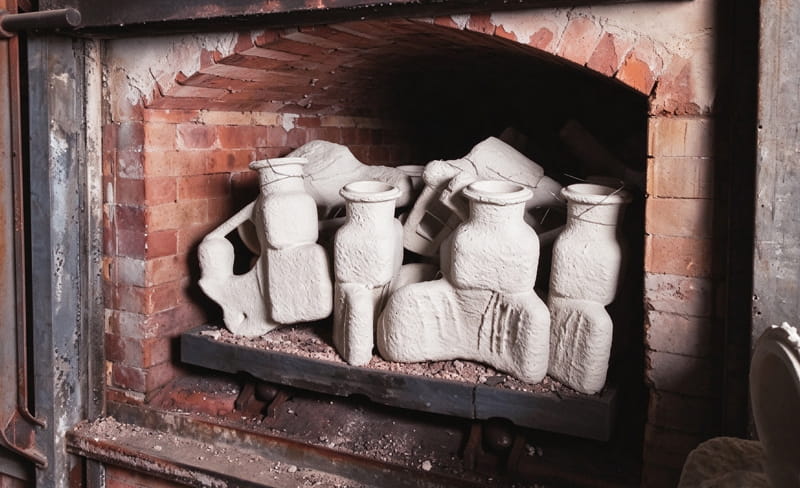
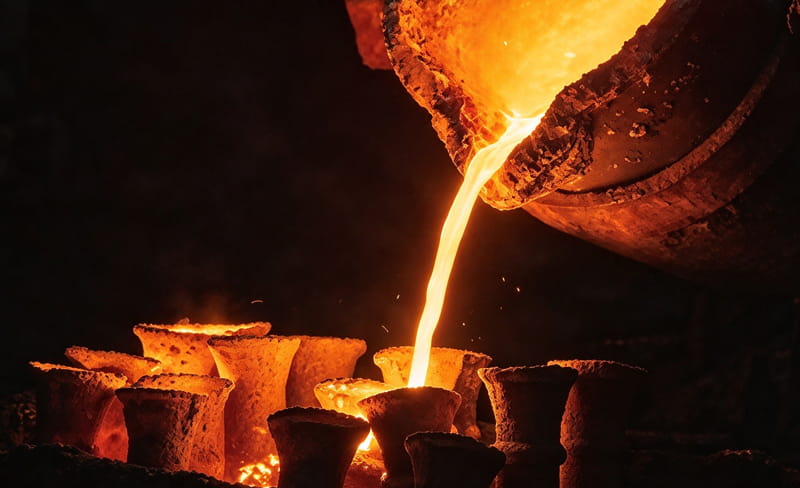
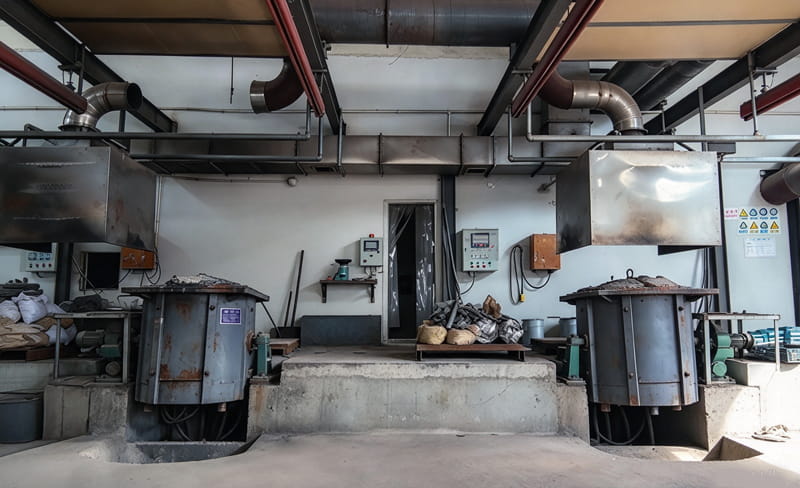
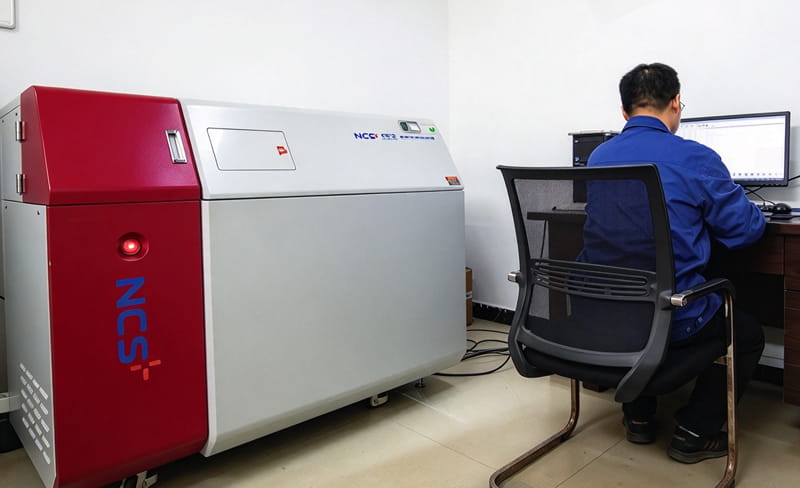
    The shell is heated to 880–1000 °C through high-temperature roasting. During heating, water, residual wax and other debris in the shell are removed, and the silica sol fully reacts (sinters), further enhancing the strength of the shell. A medium-frequency induction furnace is used to melt the raw materials (low-carbon scrap steel), and alloying elements are added depending on the material grade for each heat. When the molten steel temperature reaches 1580–1640 °C, it can be poured. According to the melting work instructions, the molten steel is steadily poured into the shell mold, and the molten steel in the shell mold can be handled after it has fully solidified for 20–40 minutes.

  • 06
    06.Cleaning And Cutting

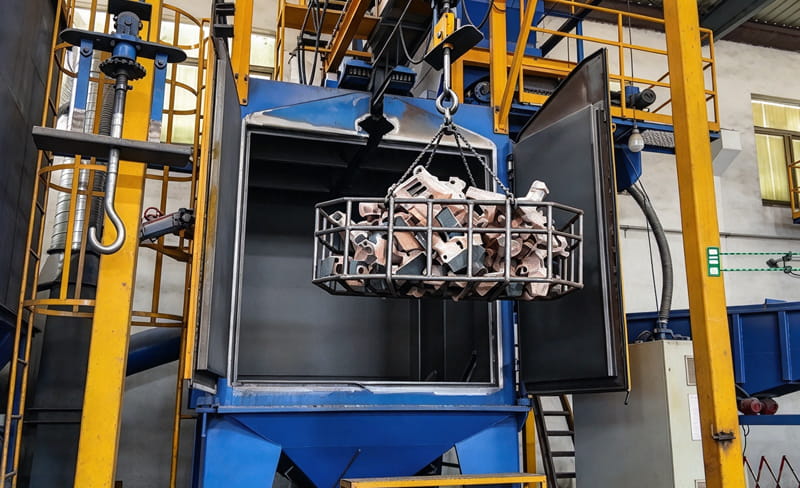
    After the poured metal has fully solidified and cooled, the shell mold is put onto a special shelf and suspended in a large shell-stripping machine. The sand shell on the surface of the casting is removed by high-speed steel-pellet blasting. The casting is then flame-cut from the gate bar of the tree assembly.

  • 07
    07. Grinding Gate And Finishing

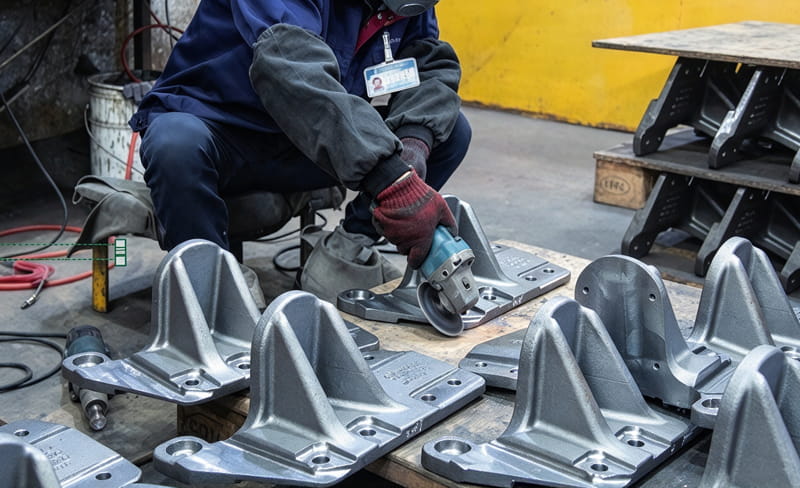
    The remaining sprue roots on the rough casting are removed, mainly by grinding with a grinding wheel or by machining. This process is divided into initial grinding and precision grinding. Grinding must not damage the part body. The subsequent finishing mainly involves repairing any surface defects that may exist on the casting, such as sand holes, slag holes, burrs, bulges and deformations. The main methods are grinding, weld repair, shaping and shot blasting. After passing the appearance inspection, the castings are transferred to the heat treatment production line for heat treatment using different processes.

Production Process

  • 01
    Mould
  • 02
    Radiowax
  • 03
    Wax Parts Assembly Welding
  • 04
    Wax String
  • 05
    Automatic Shell Making
  • 06
    Dewaxing
  • 07
    Calcination
  • 08
    Casting
  • 09
    Casting
  • 10
    Checkout
  • 11
    Shot Blasting
  • 12
    Polish

Benefits for Projects

Through customized and modular manufacturing, we help clients achieve: Faster delivery timelines, Higher on-site installation efficiency, Reduced construction risk, Improved equipment reuse and lifecycle value

Contact Us